

The difference between loneliness and solitude is how you feel, not whether anyone is around: loneliness is the painful feeling of lacking connection, while solitude means spending time alone. Chosen solitude can feel peaceful or restorative, but time alone is not automatically enjoyable. Understanding being alone vs feeling lonely helps you respond well to each. This article explains loneliness vs solitude, the benefits of healthy solitude and what to do when alone time stops feeling good.
Loneliness vs solitude at a glance
| Aspect | Loneliness | Positive solitude |
|---|---|---|
| What it is | A distressing gap between the connection you want and have | Time alone; positive solitude feels peaceful or enriching |
| Choice | Usually unwanted | Usually chosen, or at least accepted |
| Feels like | Empty, anxious, rejected, disconnected | Calm, free, focused, refreshed |
| Needs other people around? | No. You can feel lonely in a crowd | No. It happens when alone |
| Effect on wellbeing | Linked to poorer mental and physical health when persistent | Linked to creativity, reflection and rest when balanced |
What is loneliness?
Loneliness is a subjective feeling. Researchers describe it as the distress we feel when our social relationships do not match what we need, in number or in quality. That is why you can be surrounded by people, even in a relationship, and still feel lonely. It is also different from social isolation, which is an objective lack of contact with others. Someone can be isolated without feeling lonely, or lonely without being isolated.
Loneliness is common across all ages and is not a personal failing. It is a signal, much like hunger, that a need for connection is not being met. Short-term loneliness is normal. Long-term, persistent loneliness is linked in research with higher risks of depression, anxiety, poor sleep and some physical health problems, which is why public health bodies, including the US Surgeon General’s 2023 advisory, have called it a public health concern.
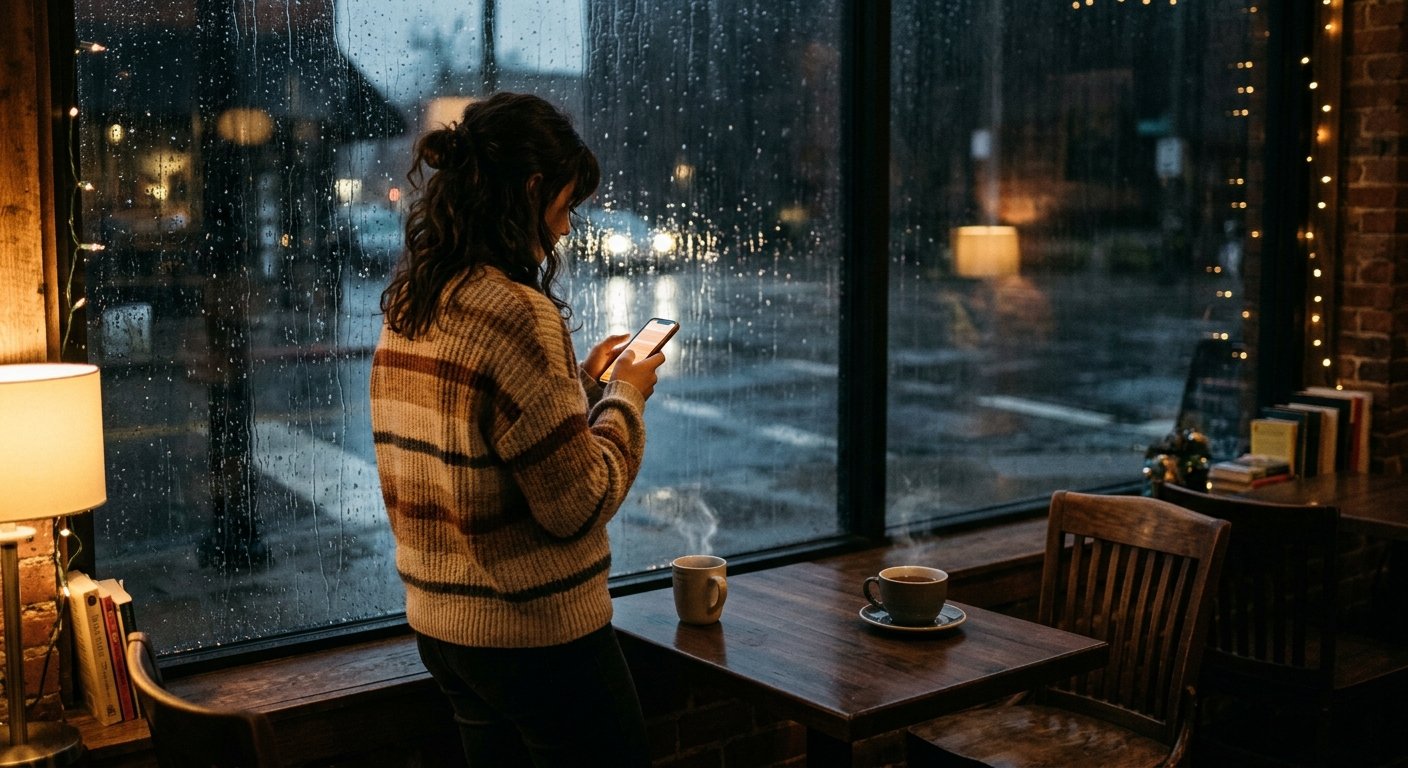
Feeling lonely in company may mean you want more emotional closeness, not simply more people nearby.
What is solitude?
Solitude is time spent alone. Here, healthy or positive solitude means alone time that feels worthwhile, restful or chosen. It might be a walk, reading, drawing, meditating, cooking for yourself or just sitting quietly. The key is that it is chosen, or at least not distressing, and that you can return to company when you wish.
The benefits of healthy solitude
Research and clinical experience point to several solitude benefits:
- Rest and recovery: time alone lets the mind and nervous system settle, especially after busy or social days.
- Self-knowledge: quiet time helps you notice what you think, feel and want.
- Creativity: many writers, artists and scientists value time alone for deep, focused thinking.
- Emotional regulation: solitude can help you process feelings and calm down.
- Independence and self-reliance: being comfortable alone builds confidence.
- Better relationships: when we know ourselves and have recharged, we often show up better for others.
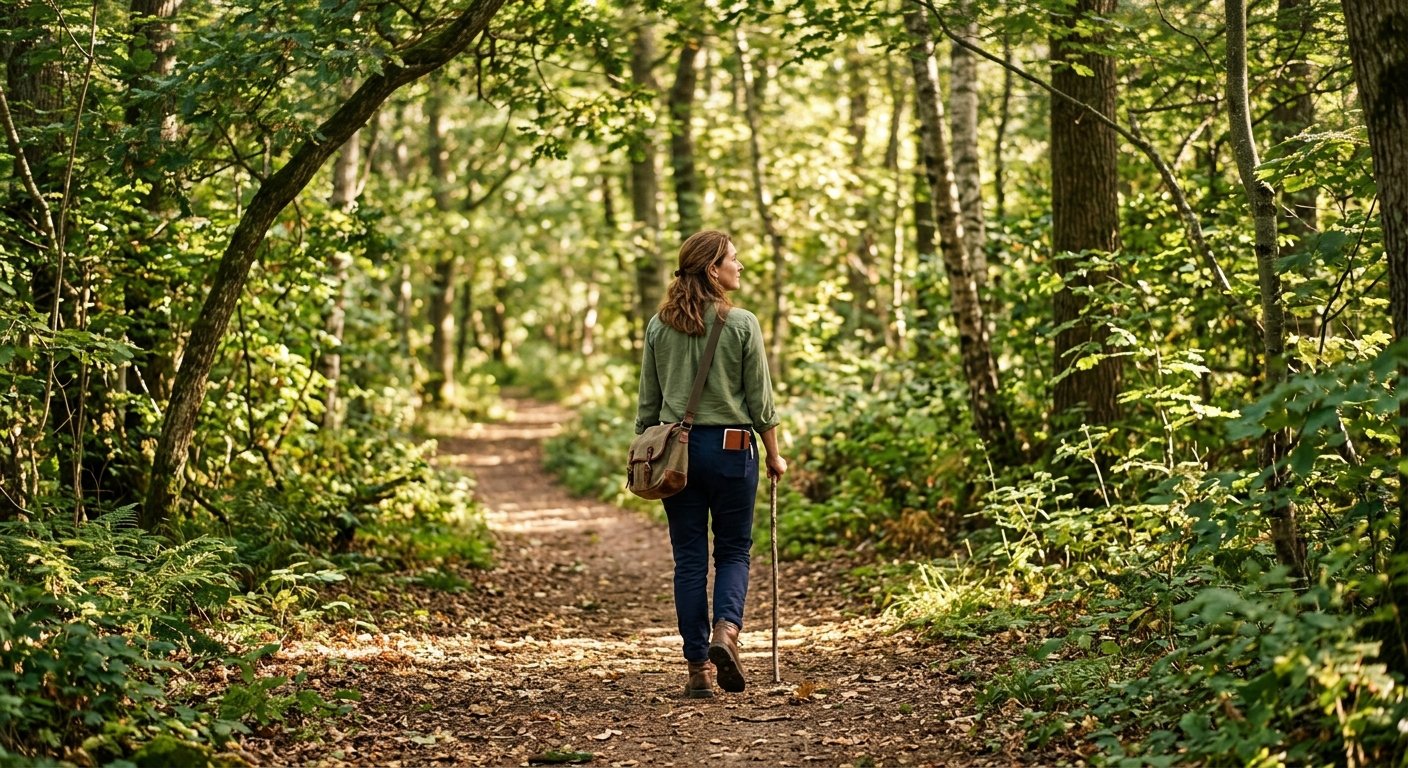
Research suggests that choice and context matter. A diary study of 178 adults found both benefits and costs associated with time alone, with no single ideal amount for everyone. Treat your response to solitude as personal rather than aiming for a universal quota.
When solitude turns into loneliness
Solitude can shift into loneliness when it becomes unwanted, prolonged or used to avoid people. Warning signs include:
- You are alone a lot but wish you were not.
- You decline invitations out of fear, not preference.
- Alone time leaves you feeling worse instead of refreshed.
- You ruminate, or feel hopeless or numb, when alone.
- Your sleep, appetite or mood are changing.
A useful prompt is: "What kind of connection or space would help me right now?" Your answer may change through the day, and wanting company or feeling irritated by an invitation is not a diagnostic test.
How to tell which you are feeling
- Check how you feel when you are alone: calm and content, or restless, empty and sad?
- Notice choice: did you choose this, or did it just happen?
- Look at your connections: do you have people you feel close to and can reach out to?
- Track patterns: note when loneliness hits, such as evenings, weekends or after social media use.
How to build healthy solitude
- Schedule short, device-free time alone: a walk, journaling or a hobby.
- Start small if it feels uncomfortable, even 10 minutes.
- Choose activities that absorb you.
- Spend time in nature when you can.
- Separate solitude from avoidance: use it to recharge, then reconnect.
- Notice how scrolling affects you during alone time. If it leaves you drained, try a break; our guide to managing social media overwhelm offers practical ideas.

What to do if you feel lonely
- Name it. Saying "I’m lonely" without judgement takes away some of its sting.
- Reach out in small ways: a text, a call, a comment, a wave to a neighbour.
- Join something regular that connects you with people, such as a class, club or volunteering. See how to make friends as an adult.
- Invest in a few quality relationships rather than many shallow ones.
- Be kind to yourself. Self-critical thoughts ("something is wrong with me") deepen loneliness.
- Consider help. A therapist, counsellor or support group can help you work through loneliness, particularly when it is tied to depression, anxiety or major life change.
If loneliness is persistent, distressing or affecting daily life, talk to a doctor or mental health professional. If you are in immediate danger or cannot keep yourself safe, contact local emergency services or go to the nearest emergency department.
The takeaway
Being alone and feeling lonely are different experiences. Solitude can nourish you when you choose it, while loneliness is a signal to seek connection. Learn to tell them apart, build both good alone time and good relationships, and reach out for support when you need it.
Disclaimer: This article is general information, not medical advice.