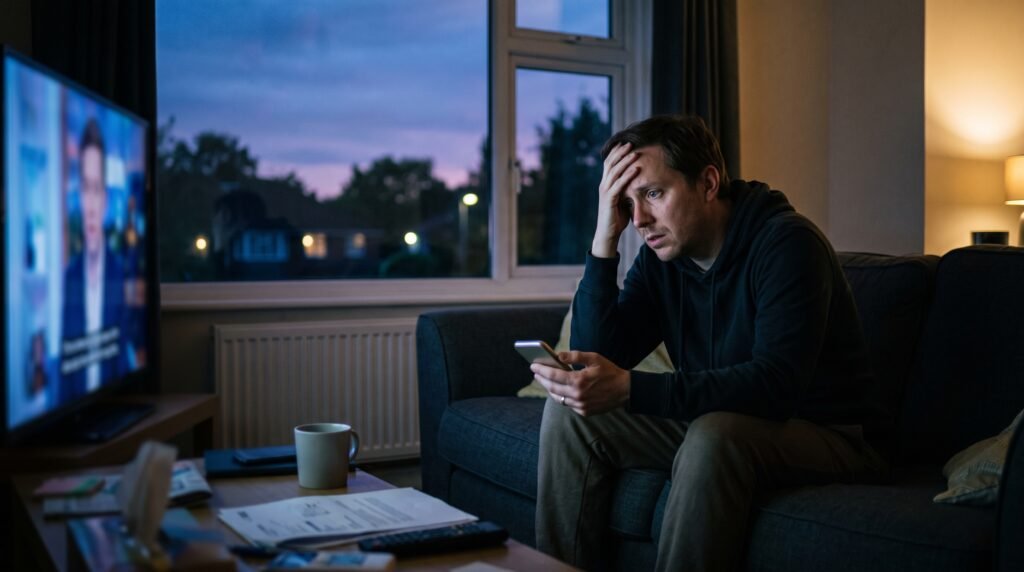
News anxiety is the worry, tension and unease many people feel from following distressing news, and it is common, understandable and manageable. Constant coverage of conflict, disasters, politics and economic uncertainty can leave you feeling on edge, exhausted or helpless. This article explains what news anxiety and news stress look like, why news burnout happens and practical steps for managing anxiety about the news while staying informed.
What is news anxiety?
News anxiety is not an official diagnosis. It describes stress and worry triggered or worsened by news consumption. Surveys by organisations such as the American Psychological Association have repeatedly found that a large share of adults say the news is a significant source of stress. Heavy or repeated exposure to distressing coverage has been linked in research to greater stress and worry, particularly after major events, though people who are already anxious may also seek out more news, so the relationship runs both ways.
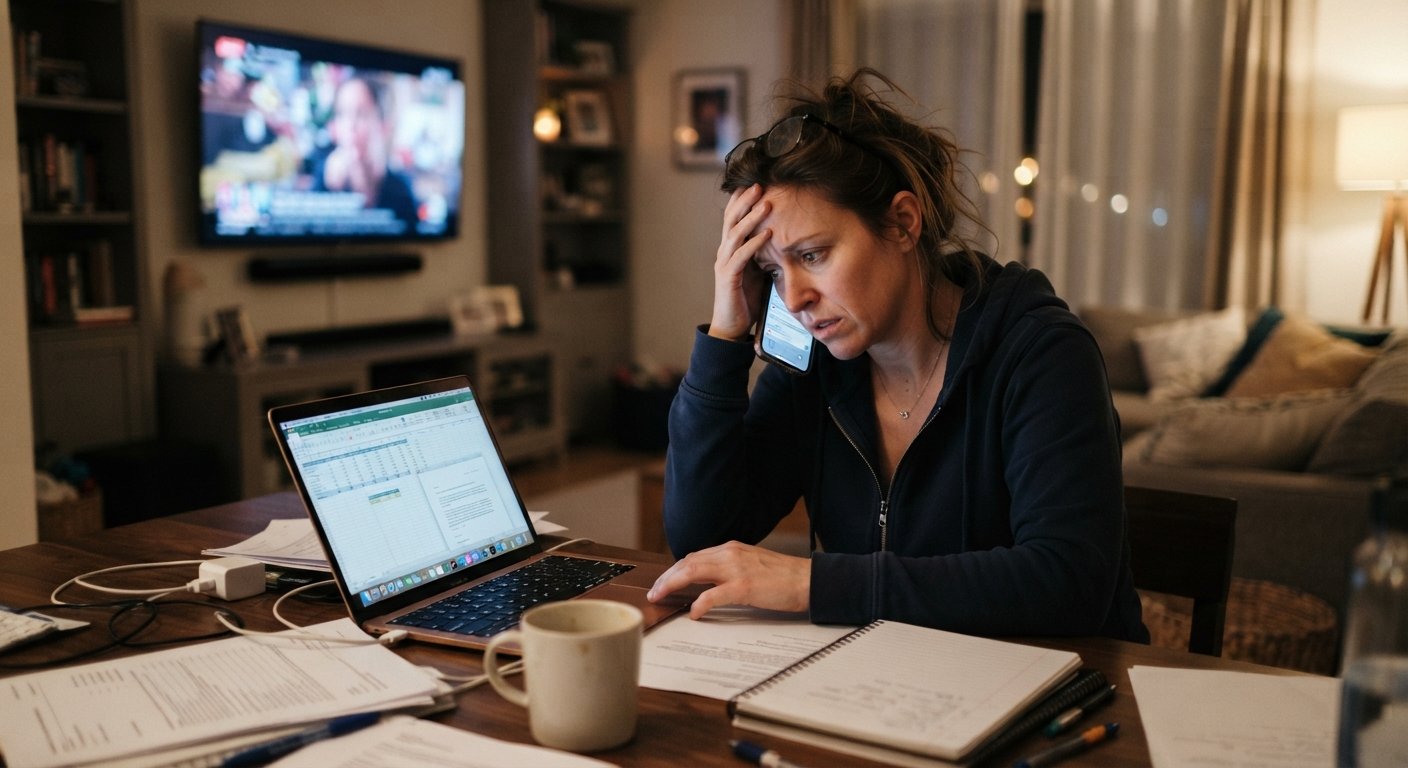
Signs of news stress and news burnout
Emotional signs
- Feeling anxious, fearful, angry or sad after reading or watching the news
- Feeling helpless or hopeless about the state of the world
- Irritability or feeling numb and detached
- Worrying about the future more than usual
Behavioural signs
- Checking headlines compulsively, even when the updates leave you feeling worse
- Being unable to stop following a story
- Avoiding the news entirely because it feels too much
- Arguing about news with family or friends
Physical signs
- Trouble sleeping, racing thoughts at night
- Tension, headaches or stomach upset
- Fatigue or difficulty concentrating
News burnout is the exhaustion and disengagement that follows long periods of stress: you feel drained, tune out or stop caring, even about things that matter to you.
Why the news affects us so strongly
- Negativity bias: our brains prioritise threats, and news often leads with them.
- Constant availability: alerts and feeds mean bad news can reach us around the clock.
- Distance without control: we hear about events far away that we cannot influence, a recipe for helplessness.
- Vivid images and video: graphic coverage can feel intensely distressing, even when you are far from an event.
- Algorithms and outrage: emotional content spreads faster, so feeds can feel more alarming than reality.
- Existing stress: when we are already tired or worried, news lands harder.

How to manage anxiety about the news
1. Choose how and when you take in news
- Pick one or two trusted sources rather than endless feeds.
- Check at set times, such as once in the morning and once in the evening, instead of all day.
- Avoid news first thing after waking and right before bed.
- Turn off push alerts.
2. Read or listen rather than watch
Text and audio are often less emotionally intense than video, particularly of disasters or violence. Consider limiting graphic images.
3. Know your limits
It is fine to say, "I’ve seen enough today." Staying informed does not require following every update. Breaks are not irresponsible, and they help you stay engaged over the long run.
4. Separate what you can and cannot control
Write two lists: things within your influence (voting, volunteering, supporting someone, how you spend your day) and things outside it. Put your energy into the first list.
5. Take small, concrete actions
Donate, volunteer, write to a representative, support local causes or help a neighbour. Taking action often reduces helplessness, even when the action is small.
6. Ground yourself in your body
When anxious thoughts spiral, try slow breathing (in for four, out for six), a short walk, stretching, or noticing five things you can see, four you can touch and three you can hear.
7. Balance the news with good things
Deliberately seek out constructive journalism, community stories and offline joys: nature, hobbies, music, time with friends. This is not denial. It restores perspective.
8. Talk about it
Share your worries with someone you trust. If you want to rebuild everyday connection, our guide to making friends as an adult offers practical starting points. Conversations can ease the weight, but if news talk always leaves you more upset, set topic limits.
9. Protect your sleep and routines
Regular sleep, meals, exercise and time outdoors are some of the best buffers against stress.
10. Check your sources
Sensational or unreliable sources add unnecessary alarm. Stick with reputable outlets that separate fact from opinion.
Talking to children about the news
Children can pick up on scary events. Ask what they have heard, answer honestly in age-appropriate terms and explain what adults are doing to keep them safe. Limit graphic or repeated coverage, especially for younger children, and avoid promises about safety that you cannot guarantee.
When to seek help
Talk to a doctor or mental health professional if anxiety about the news affects your sleep, work or relationships, persists, or comes with panic attacks or low mood. You do not have to wait until it becomes severe. If you are in immediate danger or cannot keep yourself safe, contact local emergency services or go to the nearest emergency department.
The takeaway
Feeling stressed by the news is a sign you care, not a sign that something is wrong with you. By choosing sources, setting limits and turning worry into action, you can stay informed without being overwhelmed. For practical habit changes, read how to stop doomscrolling.
Disclaimer: This article is general information, not medical advice.