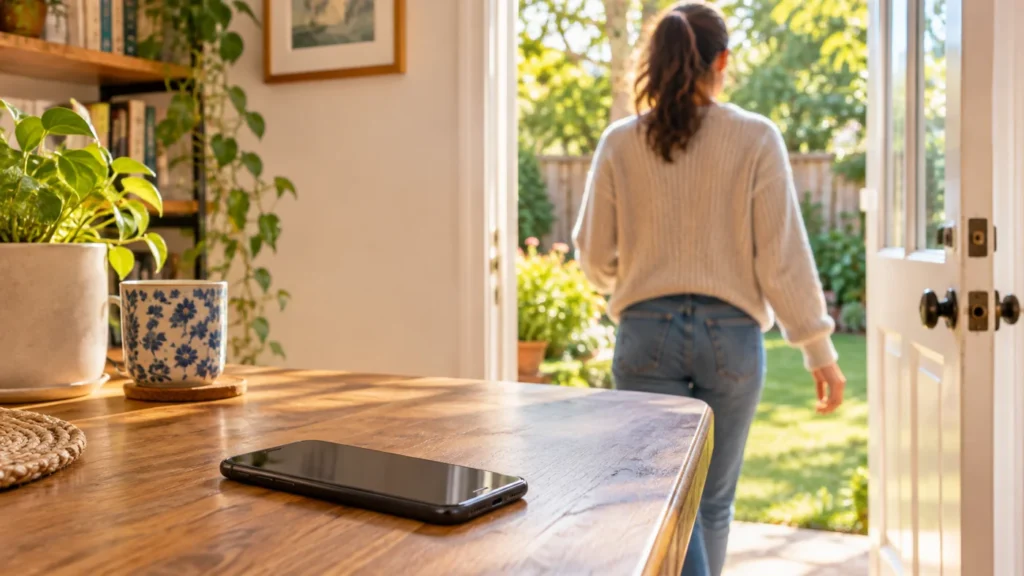
The main social media break benefits people report are better sleep, less anxiety and comparison, more time and a clearer sense of what they actually want from their feeds. The research is mixed, and a break is not a cure-all, but several studies suggest that taking a break from social media, even for a week or two, can improve mood and wellbeing for many people. This article explains the social media detox benefits, what the evidence says and how to try quitting social media temporarily without it feeling like a punishment.
What the research says
Studies on breaks from social media have produced varied results, so it is best to treat the benefits as possible rather than guaranteed:
- A large randomised experiment on Facebook deactivation (Allcott and colleagues, 2020) found that people who deactivated for four weeks reported small improvements in subjective wellbeing, spent more time with friends and family offline and were less politically informed.
- A 2022 study published in the journal Cyberpsychology, Behavior, and Social Networking found that a one-week break was linked with improved wellbeing and reduced symptoms of anxiety and depression in participants.
- Other studies find little change, or only changes in certain groups, so a break may help some people more than others.
A reasonable reading: the effects tend to be modest on average, and vary between people. If your use feels compulsive, stressful or emotionally draining, you can try a manageable break and observe whether it helps.
Social media detox benefits
1. Better sleep
Cutting late-night scrolling can mean falling asleep sooner and waking more rested.
2. Less anxiety and comparison
Without a constant stream of other people’s highlights, many people feel less pressure and less envy. See social comparison on social media.
3. Less FOMO
When you are not seeing what everyone else is doing, there is less to feel left out of. See FOMO.
4. More time
If scrolling takes up a large part of your day, a break can return time for hobbies, rest and people.
5. Improved focus
Fewer notifications and less app-switching can make it easier to concentrate.
6. Stronger real-life connection
With the phone away, conversations get fuller and you notice the people in the room.
7. Greater awareness of your habits
A break shows how often you reach for the app automatically and what feelings you are trying to soothe.
8. A chance to reset
Stepping back helps you decide what you want to keep, change or delete when you return.

Possible downsides
- Withdrawal-like feelings. Restlessness, boredom or the urge to check are common in the first days.
- Feeling out of the loop. You may miss invitations, news or group updates.
- Loss of support. For people who rely on online communities, especially marginalised groups or people who are geographically isolated, a break may reduce important connection.
- Work or practical needs. Some people need social media for jobs or services.
Because of this, a break should suit your life, not be an all-or-nothing rule.
How to take a break from social media
- Decide why. Is it sleep, stress, comparison, or time? Your reason shapes your plan.
- Pick a length. Try 3 days, a week, or a month. Short breaks are easier to start with.
- Choose your scope. You can quit one app, all feeds, or just the scrolling parts while keeping direct messages.
- Tell people. Let close friends know and share another way to reach you.
- Remove the temptation. Log out, delete the apps from your phone, or use a blocker. Turn off notifications.
- Plan replacements. Have a book, a walk, a hobby, or a person to call when the urge hits.
- Notice how you feel. Jot down your mood, sleep, and focus each day.
- Expect a wobble. The first few days are usually the hardest.

Coming back with intention
A break is most useful when it changes how you use social media afterward. Before you return, ask:
- Which accounts or apps did I miss, and which did I not?
- What made me feel worse or better?
- What boundaries will I keep, such as time limits, no phone in bed or notifications off?
Then return gradually, perhaps reinstalling one app at a time, and unfollow or mute anything that drags you down.
Who might benefit most
- People who feel anxious or low after scrolling
- Those who scroll late into the night
- People who compare themselves a lot
- Anyone who feels they use it compulsively
If you are struggling with serious anxiety, depression or self-harm thoughts, talk to a doctor or mental health professional rather than relying on a break alone. In the US, you can call 988 or text 988 for the Suicide & Crisis Lifeline.
The takeaway
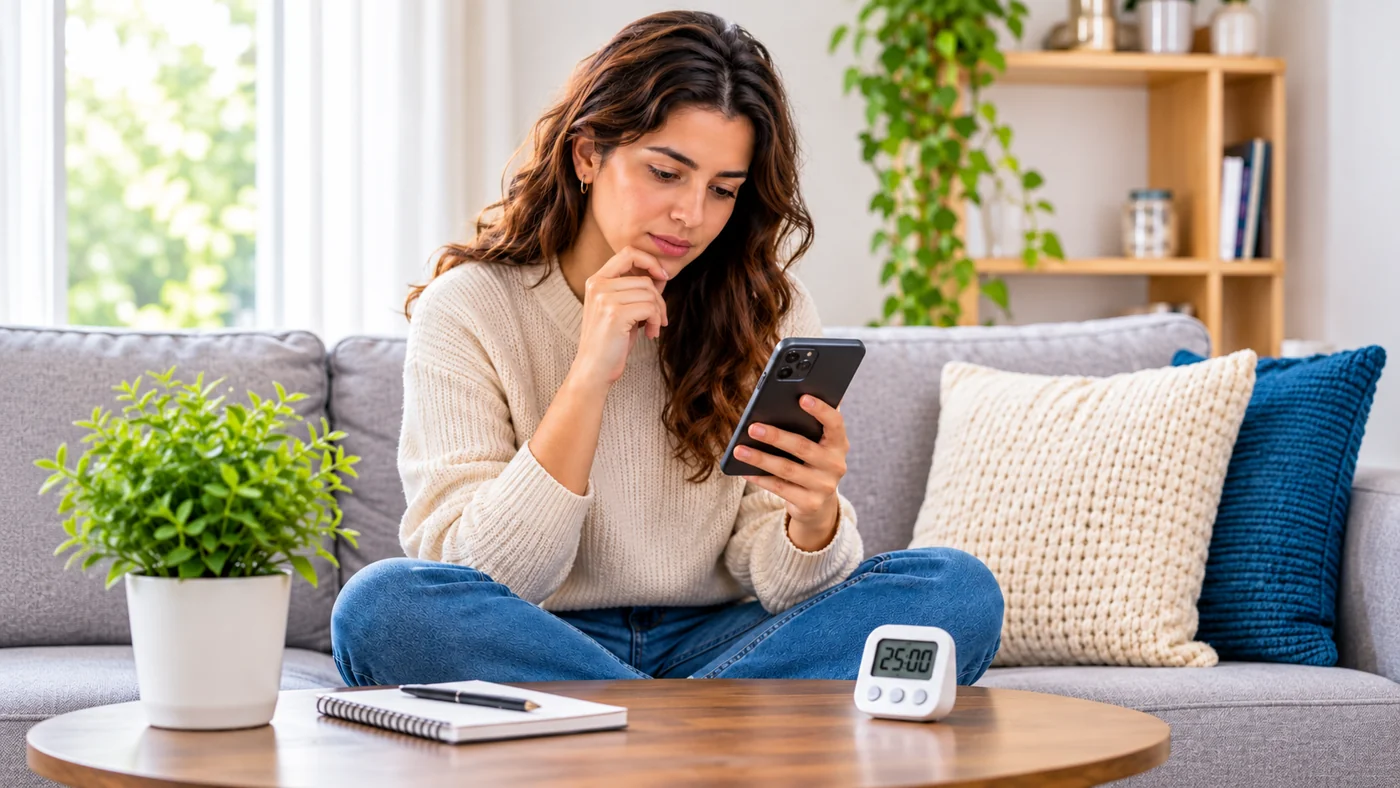
A social media break will not fix everything, but it can give you space to sleep better, feel calmer, and decide how you want to use these tools. Start small, plan for the urge to scroll, and return with clear boundaries.
Disclaimer: This article is general information, not medical advice.