
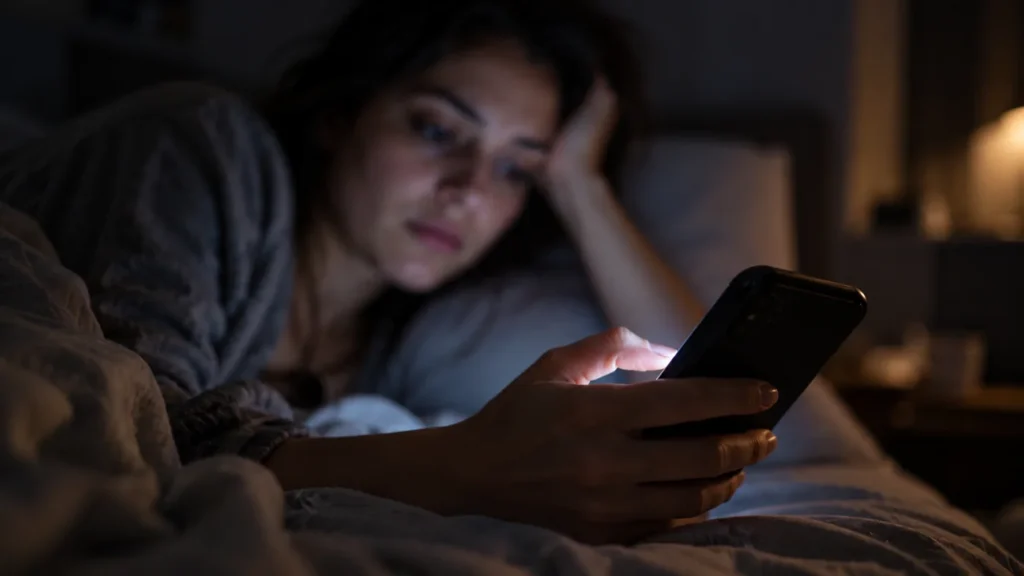
Doomscrolling is the habit of endlessly scrolling through negative news or social media content, even though it makes you feel worse. The doomscrolling meaning is simple: "doom" for the bad news, "scrolling" for the thumb that will not stop. The term became widely used in 2020 during the pandemic and has stayed in everyday language since. This article explains what doomscrolling is, gives doomscrolling examples you may recognise and covers why people doomscroll and what it does to the mind and body.
Doomscrolling meaning
Doomscrolling (also called doomsurfing) means compulsively consuming a stream of distressing information online, typically on a phone, long after it stops being useful. The key features are:
- Negative content: wars, disasters, crime, politics, health scares, economic worries.
- Compulsion: you keep going even when you want to stop.
- Distress: you feel anxious, angry, sad or helpless afterward.
- Time loss: minutes turn into hours.
Checking the news once or twice to stay informed is not doomscrolling. The difference is purpose and control: informed reading ends, doomscrolling does not.
Doomscrolling examples
You might recognise these:
- Waking at 3 a.m., picking up your phone and reading about a crisis for an hour.
- Refreshing a live news feed or social media thread during a breaking event, again and again.
- Reading comment sections that leave you angry, then reading more.
- Moving from one frightening headline to the next without absorbing any of them.
- Checking health symptoms or outbreak updates repeatedly and feeling worse each time.
- Opening a news app "for a minute" and finding the dinner has gone cold.
- Following a distressing story you cannot do anything about.
Why do people doomscroll?
Several things combine to make doomscrolling hard to resist.
1. Negativity bias
Humans pay more attention to threats than to good news. This helped our ancestors survive, and it means alarming headlines grab us more strongly.
2. The search for control and certainty
When events feel uncertain, scanning for information feels like preparing. Unfortunately, more scrolling rarely brings real certainty and often raises anxiety.
3. Infinite scroll and algorithms
Feeds have no natural stopping point, and many platforms promote emotionally charged, engaging content. Autoplay and endless feeds remove the cues that tell us to stop.
4. Variable rewards
Every refresh might reveal something new, which works in a similar way to a slot machine, keeping us checking.
5. Fear of missing out
The worry that something important will happen while you are away keeps you tethered to your phone.
6. Emotional coping and avoidance
Some people scroll when stressed, bored or lonely. Scrolling can briefly distract, but it often adds to the stress it was meant to ease.
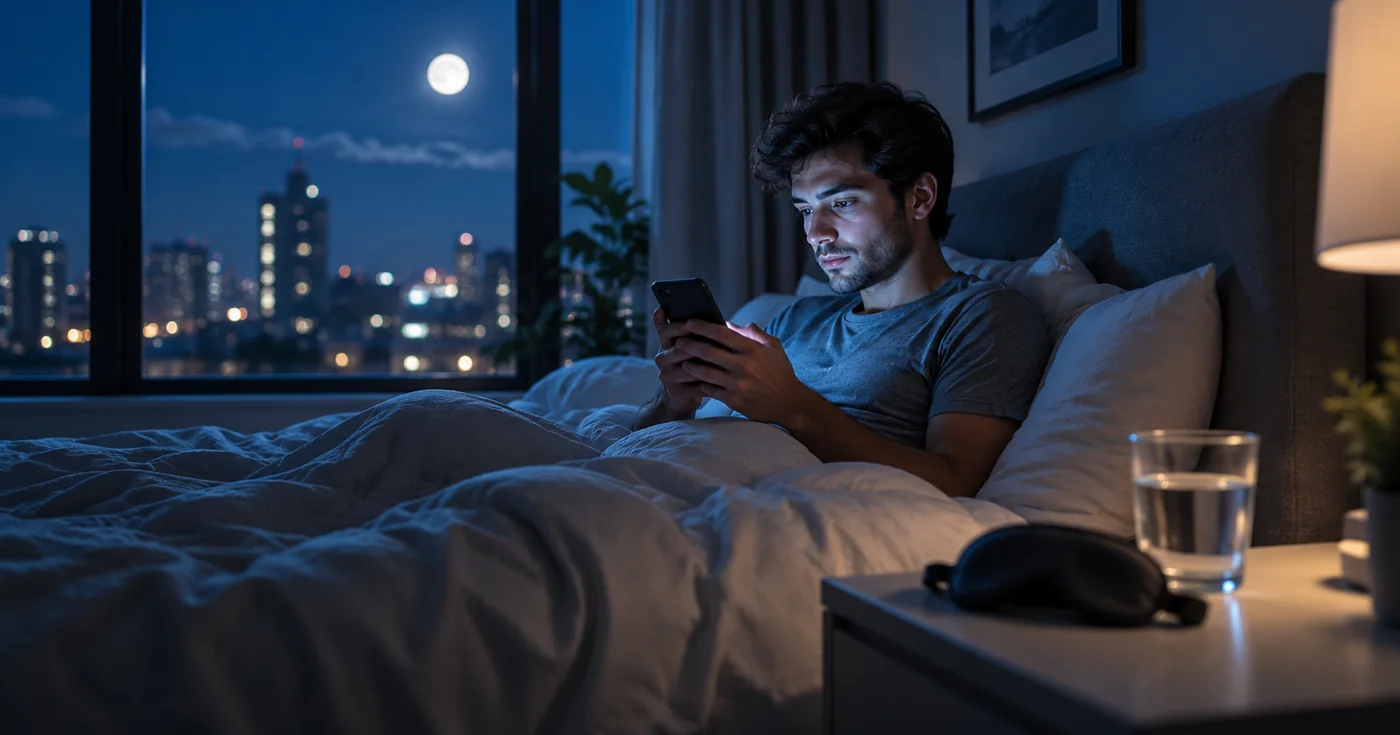
7. Late-night habits
Tiredness lowers self-control, and bedtime is a common time to doomscroll.
What doomscrolling does to you
Research on heavy news consumption is still developing, but studies have linked frequent exposure to distressing news with higher stress, anxiety and lower mood. Possible effects include:
- Anxiety and stress: a sense that the world is more dangerous than it is.
- Low mood and helplessness: feeling that nothing can be done.
- Poor sleep: late-night scrolling delays sleep and brings worried thoughts to bed.
- Reduced focus and productivity: time and attention are drained.
- Strained relationships: time on the phone replaces time with people.
- Physical tension: headaches, tight shoulders or a racing heart.

These links do not prove doomscrolling is the sole cause. People who already feel anxious may also be more likely to scroll.
Signs you may be doomscrolling
Ask yourself:
- Do I feel worse after scrolling than before?
- Do I keep going though I want to stop?
- Is it affecting my sleep, work or relationships?
- Am I reading the same stories over and over?
- Do I reach for my phone automatically when stressed?
If you answered yes to several, it may be time to change your habits. Our guide to how to stop doomscrolling offers practical steps, and news anxiety explores the stress that can follow.
Is doomscrolling always bad?
Staying informed has value, and during real emergencies, up-to-date information can be vital. The problem is the pattern of repeated, compulsive checking that gives little new information and a lot of distress. A good test: after scrolling, do you know something useful, or only feel worse?
The takeaway
Doomscrolling is a very human response to a design built to hold our attention. Recognising the pattern is the first step towards breaking it.
If worry or low mood feels overwhelming or persistent, consider talking to a doctor or mental health professional. This article is general information, not medical advice.